
Monday - Friday: 8:30am - 6pm
|
Saturday: 9am - 5:00pm
|
Sunday by appointment

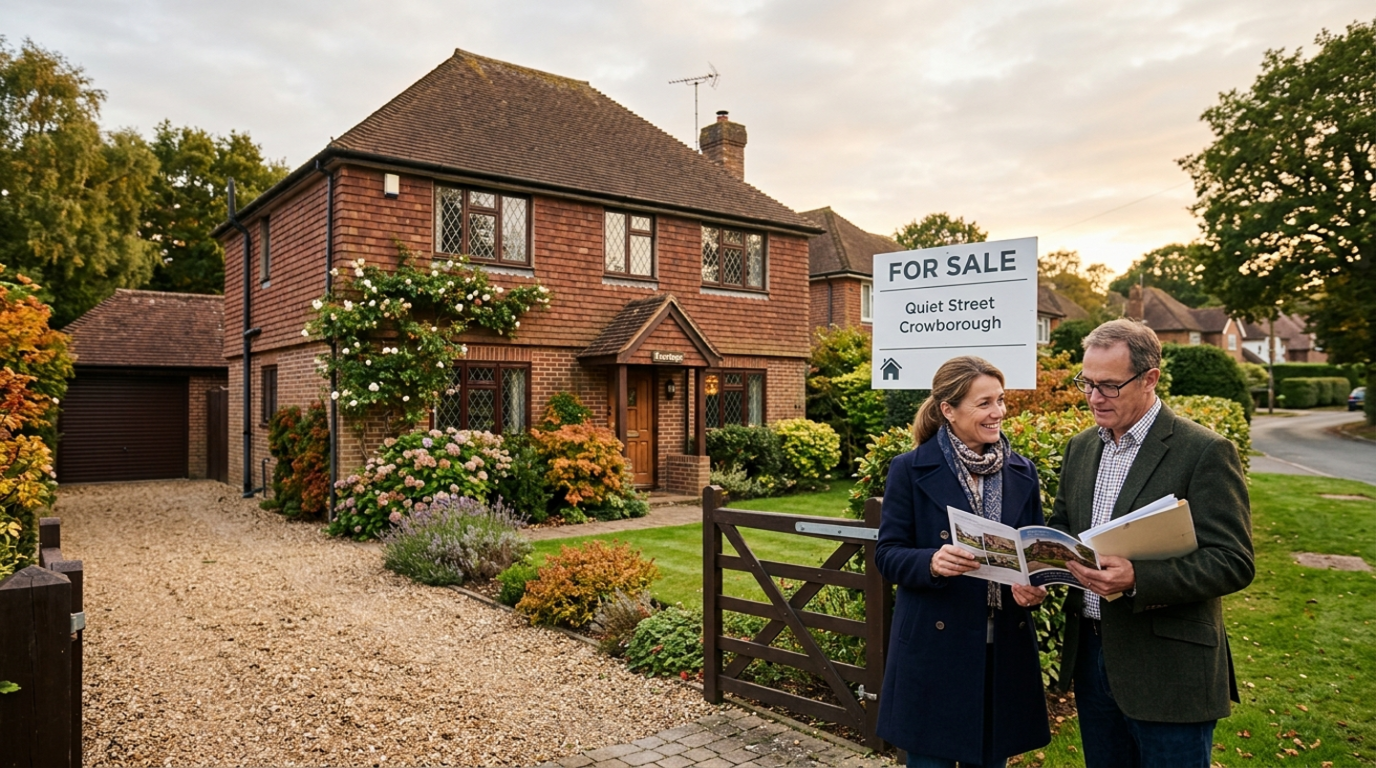
Why Is Your Property Not Selling in Crowborough? 6 Things to Check

Your property has been on the market for weeks, perhaps even months, but you still haven’t found a buyer. You may have received a few enquiries or arranged several viewings, yet none have resulted in a suitable offer. Naturally, you start wondering what is holding back the sale.

There could be several reasons why your property isn’t selling. The asking price, online marketing, buyer feedback, and current market conditions can all influence how quickly a home sells.

Before reducing your asking price or changing estate agents, it is worth understanding where the problem lies. In this blog, we discuss six things Crowborough homeowners should look at when their property isn’t attracting the interest they expected.

How Long Does It Usually Take to Sell a Property in Crowborough?

There is no fixed timeframe for selling a property in Crowborough. Some properties attract offers within a few weeks, while others take several months to find a suitable buyer. The time it takes depends on factors such as the asking price, property type, location, condition and current buyer demand.

It is also important to distinguish between receiving an offer and completing a sale. Even after a buyer agrees to purchase your property, mortgage arrangements, surveys and legal checks can add several months to the process.

If your property is taking longer to sell than similar properties in Crowborough, it is worth finding out why. Instead of immediately reducing the asking price, review how your property is performing and whether changes to your selling strategy could attract more interest.

6 Things to Check If Your House Isn’t Selling in Crowborough

1. Compare Your Asking Price With Similar Properties

An asking price that is higher than buyers expect can make selling difficult, even when your property is in good condition.

Start by looking at similar properties in Crowborough that have recently sold. Focus on homes of a comparable size, type, location, and condition. Their actual selling prices can give you a better indication of what buyers have been willing to pay.

You should also look at properties currently advertised for sale. If buyers can find similar homes at lower asking prices, they may choose to view those properties first. Remember that advertised prices and completed sale prices are not always the same. A property listed for £450,000 may eventually sell for less, so relying only on asking prices can give you an unrealistic impression of the market.

If your property has been advertised for several months, consider getting an updated property valuation in Crowborough. Your original asking price may have been reasonable when you first listed the property, but buyer demand and competition can change.

2. Look at How Your Property Appears Online

Most buyers begin their property search online, so your listing plays an important role in attracting enquiries.

Open your property advertisement and look at it from a buyer’s perspective. Are the photographs clear and well-lit? Does the floor plan show the layout properly? Does the description explain the property’s main features without leaving out useful information? The first few photographs deserve particular attention because buyers often notice them while browsing property listings.

Make sure the advertisement accurately presents the rooms, garden, parking arrangements and other features that may matter to potential buyers. Also ask your estate agent how your property is performing online. For example, is the listing receiving views but very few enquiries, or are relatively few people seeing it in the first place?

These are different problems and may require different solutions.

If buyers are viewing the advertisement but not arranging appointments, the photographs, description or asking price may need attention. If the listing has limited visibility, discuss how the property is being marketed and whether the current approach is reaching suitable buyers.

3. Identify Repairs or Presentation Issues That Could Affect a Sale

Buyers often notice maintenance problems during viewings, particularly when those issues suggest additional costs after moving in. Damp patches, leaking taps, damaged flooring, unfinished repairs, or poorly maintained outdoor areas can all affect how buyers assess a property.

Walk through your home and consider what a buyer would notice. Pay attention to obvious defects, the condition of frequently used rooms, and whether each space is easy to inspect.

You do not necessarily need to spend thousands of pounds renovating the property before selling. In some cases, minor repairs, better lighting, thorough cleaning, and removing unnecessary clutter may be enough to improve its presentation.

Larger improvements require more thought. Replacing an entire kitchen or bathroom shortly before selling may not increase the final selling price enough to recover the cost.

It is worth discussing major work with your estate agent before committing to it. They can help you assess whether buyers will expect those improvements or whether the property would sell better in its current condition.

4. Understand Current Buyer Demand in Crowborough

Even a well-presented property at a reasonable asking price can take longer to sell when buyer demand is limited. Mortgage affordability, the number of properties available for sale and changing buyer preferences all influence what people are willing and able to purchase.

Look at how similar properties are performing in Crowborough. Are they attracting regular viewings and offers? Have some remained on the market for several months? Are competing sellers reducing their asking prices?

Recent completed sales can also help you understand what buyers are prepared to pay, although the circumstances of individual transactions may differ. Your estate agent should be able to explain current local market conditions and how buyers are responding to comparable properties.

For example, if several similar homes have recently reduced their asking prices, your property may face stronger competition than when it first went on the market. Understanding these changes can help you decide whether to maintain your current asking price, improve your marketing, or reconsider your selling strategy.

5. Assess Your Estate Agent’s Marketing and Follow-Up

Your estate agent’s work should continue after the property advertisement goes live.

If your home has been on the market without progress, arrange a discussion about what has been done to attract buyers and what the results show. Ask how many enquiries and viewings the property has received, whether interested buyers have been followed up with, and what feedback has been collected.

For example, if the listing is attracting online attention but very few viewing requests, your agent should be able to discuss possible reasons and suggest practical improvements.

Regular communication matters too. You should not have to repeatedly contact your agent to find out whether there has been any interest in your property. If you feel that your current agent is not doing enough, discuss your concerns and agree on what needs to improve.

However, if the situation remains unchanged, you may want to consider other estate agents in Crowborough. Before appointing a new agent, read your existing agency agreement carefully, particularly the notice period, termination conditions and any circumstances in which commission could still become payable.

Changing agents can be an option, but understanding your contractual obligations will help you avoid unnecessary costs.

Looking to Sell Your Property in Crowborough? Speak to Charles Century

If your property isn’t attracting suitable offers, you need a fresh selling strategy. The asking price, property marketing and current buyer demand can all affect your chances of securing a sale. Identifying what is holding back buyer interest can help you make the right changes.

At Charles Century, we help landowners in Crowborough understand their property’s market value and develop a selling strategy suited to current market conditions. Our team can assess your property’s market position, discuss ways to attract potential buyers, and guide you through the next steps. Contact us today for expert guidance to sell your property quickly at the right price.
Selling a House in Hailsham? What to Check Before Signing Agreement With an Estate Agent

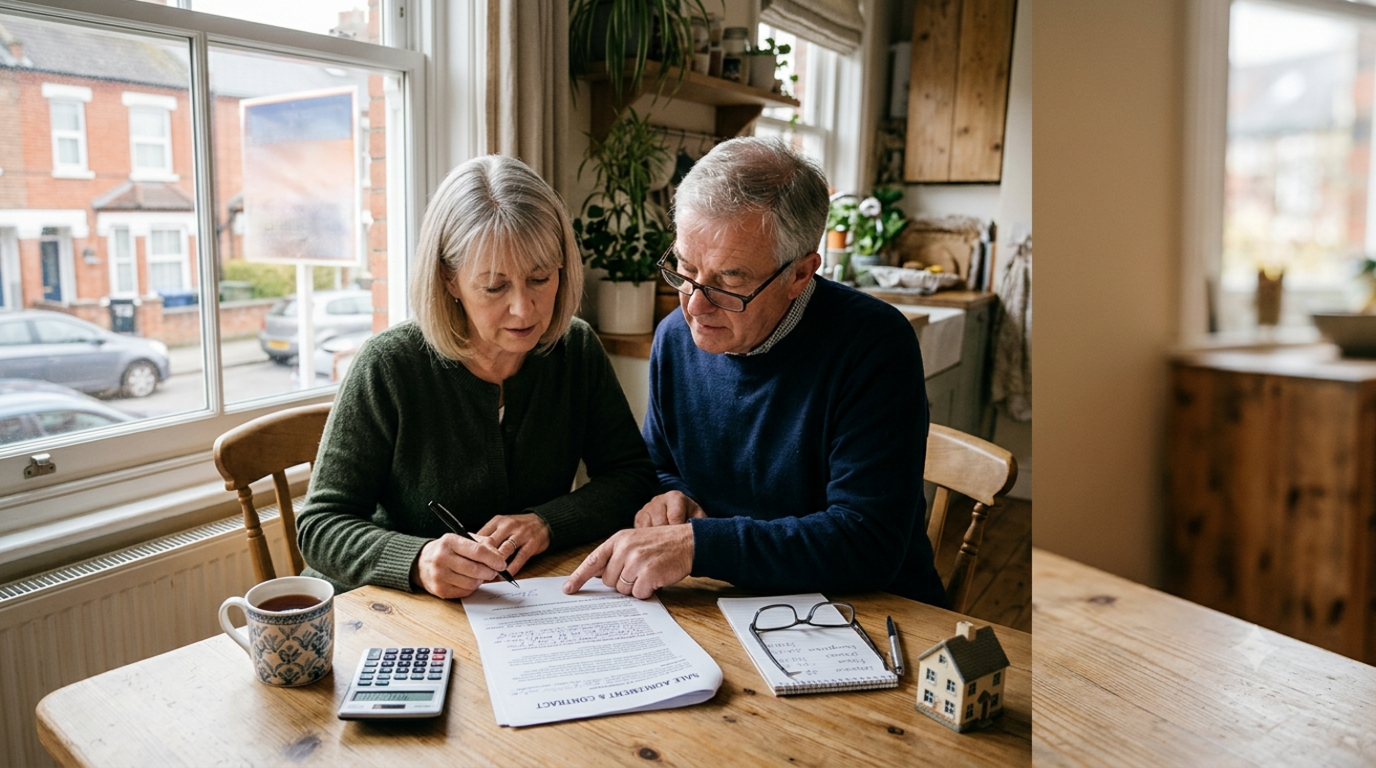
Choosing an estate agent can feel like one of the easier decisions when selling a home. You meet a few agents, discuss what the property could sell for, compare their fees, and decide who you feel most comfortable working with. But before the property photographs are taken and the listing goes live, there is one important step that deserves more attention: the agreement you are being asked to sign.

It is easy to focus on the valuation and skim through the rest, especially when you are keen to get the sale moving. The agreement, however, sets the terms for what happens next. It can affect how much you pay, how long you stay with the agent, and what happens if you later decide the arrangement is not working.

If you are selling a house in Hailsham, read the agreement carefully and make sure it reflects the conversations you have already had with the agent.

Here are the areas worth checking carefully.

What Type of Estate Agency Agreement Are You Signing?

Start by checking how you’ll instruct the agent to sell the property.

In the UK, there are four common types.

Sole agency. You appoint one agent only. If anyone buys your home during the contract period, you pay that agent, even if you found the buyer yourself.

Sole selling rights. You also appoint one agent, but this version is stricter. You pay the fee even if you find the buyer on your own, for example, a neighbour or a relative.

Joint sole agency. Two agents share the work and split the fee. This option is less common but can suit homes that need wider reach.

Multi-agency. You appoint several agents, and only the one who sells the property earns the fee. The fee is usually higher, because each agent takes a risk that someone else will win the sale.

Many people believe that a sole agency always gets a better price because the agent works harder. The truth is simpler. A sole agent gets certainty of payment, which can encourage effort, but results depend on the agent’s skill, local knowledge, and marketing, not on the contract type alone. Ask the agent to explain which type they are offering and why they recommend it for your home.

Do not rely on the name of the agreement alone. Read the terms and ask the agent to explain anything that is unclear before signing.

How Much Will the Estate Agent Charge?

Fees in the UK are usually a percentage of the final sale price plus VAT. Many agents advertise a low headline figure, but the number you see in the brochure is often not the number you pay.

Here is a simple example. If your home sells for £300,000 and the agent charges 1.2% plus VAT, the fee is £3,600 plus £720 VAT, which totals £4,320. At 1.5% plus VAT, the same sale costs £5,400.

Always ask these questions:

  • Is the fee a percentage or a fixed amount?
  • Does the quoted figure include VAT?
  • Is the percentage based on the sale price or the asking price?

Write down the final figure in pounds. Seeing the real amount in black and white makes comparison between agents much easier.

What Is Actually Included in the Estate Agent’s Fee?

Two agents can quote similar fees while offering quite different levels of service.

Find out what the quoted fee actually covers.

Does it include professional photography and floor plans? Will the property be advertised on the main property portals? Who will arrange and conduct viewings? How will potential buyers be followed up after a viewing?

The support provided after an offer is accepted matters too.

A sale still has a long way to go at that point. Communication between the seller, buyer, solicitors and other parties in the chain can become important as the transaction progresses. Government guidance specifically recommends checking whether an agent has dedicated sales progression support and whether this service costs extra.

Ask for a clear explanation of what is included before comparing one estate agent’s fee against another.

How Long Are You Committed to the Estate Agent?

This is one of those details that can seem unimportant when everything is going well.

At the beginning, the focus is usually on getting the house photographed, listed, and in front of buyers. But imagine a couple of months later the property is receiving little interest. Updates from the agent become less frequent, and you start to wonder whether another approach would work better.

That is when the length of the agreement suddenly matters.

Look for any minimum period that keeps you with the agent and check when you are allowed to give notice. A contract might also continue after its initial period unless notice is given, so find out exactly how the arrangement ends.

The easiest way to approach this is to think ahead. If you became unhappy with the service, how quickly would you be able to move to another agent?

Knowing the answer before signing gives you a much clearer idea of the commitment you are making.

When Could You Still Have to Pay a Fee After Leaving the Agent?

This is the point that surprises sellers the most. Many agreements contain a “tie-in” or “protection” clause. It means the agent can still claim a fee after your contract ends if a buyer they introduced completes the purchase later.

Imagine a couple views your house in week three. You leave the agent in week ten and move to a new one. In week fourteen, that same couple buys your home through the new agent. The first agent may still have the right to charge you. In that situation, you could owe two fees.

Ask the agent to explain this clause in plain words. Find out how long the protection period lasts, because it often runs for 6 to 12 months. Also ask whether it applies only to buyers who viewed the property or to anyone who saw it online.

Are There Any Additional or Withdrawal Costs?

Some agreements include charges that never appear during the valuation chat. These may include:

  • A withdrawal fee if you take your home off the market before the contract ends
  • Marketing costs charged separately for a premium listing or a video tour
  • Administration fees for preparing documents
  • Charges for extra photography or a second visit

A withdrawal fee can be especially painful. If you decide to rent out your home or delay the move for family reasons, you could pay a fixed sum even though the house never sold. Check whether this fee exists and how it is calculated.

Does the Agreement Match What Was Discussed During the Valuation?

Think back to the conversation you had when the agent valued the property.

Perhaps you were told that professional photography would be included. You may have discussed who would handle viewings, how regularly you would receive feedback or how the property would be marketed. The fee and length of the agreement may also have formed part of that conversation.

Now compare those discussions with what you are being asked to sign.

If something is missing, ask the agent to add it before you sign. A trustworthy agent will welcome this request. If an agent resists, treat that as useful information about how they may behave later.

Final Thoughts

Selling your home is a big step, and the agent you choose will guide you through it. The agreement is the foundation of that relationship, so read it slowly, ask questions, and never feel pressured to sign on the day. A good agent gives you time.

Before you sign, take these steps. Compare at least two or three local agents. Ask for the agreement in advance so you can read it at home. Request a clear written breakdown of fees, contract length, and exit costs. Finally, speak to a solicitor if any clause feels confusing.

When you understand every line, you can sign with confidence and focus on what matters most: finding the right buyer at the right price for your Hailsham home.

Ready to Sell a House in Hailsham?

If you are preparing to sell a house in Hailsham, Charles Century can help you understand where your property sits in the local market and how to position it for sale.

The conversation can begin with a property valuation, followed by a clear discussion about the proposed asking price, marketing approach, fees, and the service involved in taking the property from listing through to sale.

CC_Logo_RoundFive_
CROWBOROUGH BRANCH

01892 280435

HAILSHAM BRANCH

01323 302226